REVIEW · BIG ISLAND OF HAWAII
Manta Ray Night Snorkel in Kona
Book on Viator →Operated by Manta Adventures Inc · Bookable on Viator
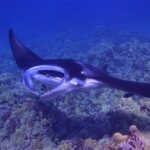
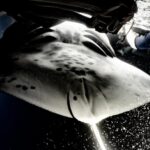
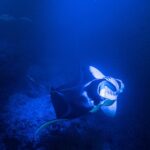
Manta rays at night sound unreal, until you see them for real. This Kona outing pairs a smooth sunset cruise with a close-up snorkeling setup, and I really like the easy ladder entry plus the fact you can either snorkel with the included gear or stay dry on board while the lights do the work. My second big plus is the warm shower rinse back on the boat, so you don’t end your evening smelling like seawater. One thing to plan for: it’s a small, limited-capacity night trip, and at the most comfortable points you may still feel the boat is snug.
On an average night, you should get a classic manta-ray show. Still, manta sightings are wild-ocean behavior, not a guaranteed aquarium program, and rougher weather can make the experience more tiring than you’d like. If you’re sensitive to cold water or confined spaces, bring your towel and snacks, and think about choosing a calmer week in Kona.
In This Review
- Key things that make this manta snorkel work in Kona
- Kona Manta Ray Night Snorkel: why this 3.5-hour plan is special
- The Maheli-Heli boat setup: comfort at night is not a small detail
- Sunset cruise to Garden Eel Cove: the timing that helps you see mantas
- Snorkeling plan: gear, wetsuits, and what the lights do
- The real rules you should follow
- Warm rinse, snacks, and the small comforts that make the night feel easier
- Price and value in Kona: when $125 makes sense
- Group size and the “snug boat” factor: how to plan for comfort
- Who should book this Kona manta snorkel, and who should reconsider
- Should you book the Manta Ray Night Snorkel in Kona?
- FAQ
- What time does the Kona night snorkel start?
- What’s included in the tour price?
- Can I stay dry instead of snorkeling?
- What should I bring?
- Does the tour include bathroom facilities and an easy way back on board?
- What happens if bad weather cancels the tour?
Key things that make this manta snorkel work in Kona
- Maheli-Heli boat comforts: a new custom-build with a cabin and bathroom, plus a ladder made for real entry/exit.
- Two ways to enjoy it: snorkel with provided gear or watch from the boat and stay mostly dry.
- Custom lighting strategy: the crew’s lighting setup is built to attract manta rays to the snorkeling zone.
- Warm rinse after: a fresh water warm shower right when you’re done helps you feel human again.
- Small-group night feel: a maximum of 24 travelers, which keeps the manta zone controlled and the briefing organized.
- Real safety-first rules: the crew is strict about how you enter, move, and snorkel so you don’t stress the animals.
Kona Manta Ray Night Snorkel: why this 3.5-hour plan is special
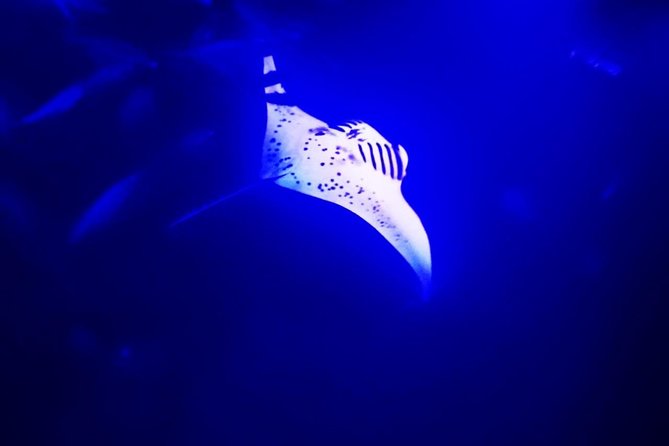
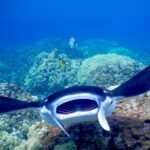
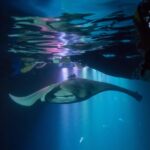
This tour is built for one goal: getting you close to manta rays after dark. You start at 4:00 pm, cruise along the Kona coast, and then you snorkel near Garden Eel Cove as the water turns black-blue and the lights go on. The magic part is that you’re not just watching from a distance. You’re sharing the water column, often with manta rays swimming inches to a few feet overhead.
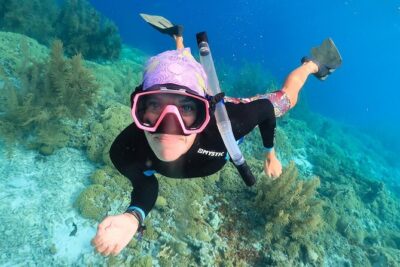
I like that the experience has two comfort levels. If you’re confident and want the full effect, you can snorkel with the provided fins, mask, and flotation options. If you’d rather avoid the cold water exposure or you’re not thrilled about night entries, you can stay on board and watch the action from a dry viewpoint while the crew handles spacing and rules.
Here’s the one tradeoff to keep in mind: it’s a night snorkel, on a boat with a limited capacity. Even though the setup is designed for comfort, a maximum of 24 travelers means you’re not spreading out. And like any ocean wildlife encounter, you can have a night where the mantas don’t cooperate.
You can also read our reviews of more evening experiences in Big Island of Hawaii

The Maheli-Heli boat setup: comfort at night is not a small detail
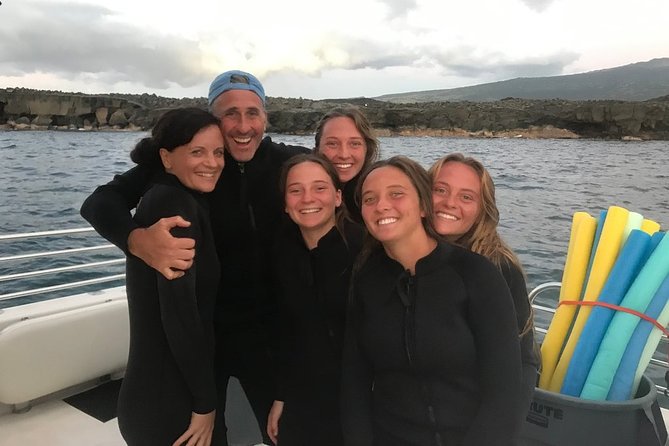
Night snorkels in Kona sound romantic until you’re wearing a wet suit, climbing back up, and trying to feel warm. This is why the boat setup matters.
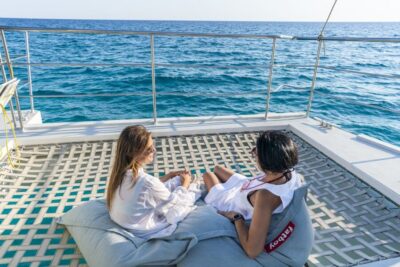
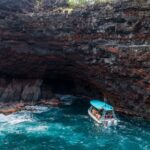
The Maheli-Heli is described as a new custom build (2016), and it’s geared to keep the ride smooth and practical. You get a cabin space where belongings can stay safe and dry, and there’s a head (toilet) with a sink—useful when you’re out for about 3.5 hours. The ride is also described as smooth, and there’s an easy entry/exit from the water because there’s no transom to crawl over.
The ladder is one of the most important parts. Instead of a single awkward step, you’re using a heavy-duty ladder with four submerged steps, which helps you get in without panicking or scrambling. That’s a big deal for anyone who worries about night footing. You’ll also find eco-friendly engines on board, which is part of the tour’s overall “lower impact” approach.
A common theme in real-world accounts: the crew is firm about safety, but that sternness often translates into calmer water handling. When the rules are clear—how you hold gear, when you move, when you stop—everyone gets a better shot at seeing mantas without stressing them.
Sunset cruise to Garden Eel Cove: the timing that helps you see mantas
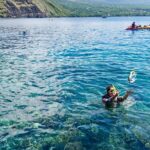
You don’t start snorkeling right away. You begin with a comfortable sunset cruise along the Kona coast and head toward Garden Eel Cove. Starting at 4:00 pm gives you enough time for daylight loading, gear fitting, and a warm-up period where you can get your bearings before it gets dark.
On some nights, the crew gets you on the water a bit earlier than other boats in the area, which means you may get a little snorkel time before the main manta window. I like this pacing because it reduces the “hurry, then hope” feeling. You’re not just waiting in the dark. You’re actively learning how to move with your snorkel setup, and you can settle into the nighttime routine.
Once the manta zone is ready, the crew uses lighting and positioning to create a predictable area where mantas may come close. This is where you’ll hear safety instructions more than once. It’s not just for you. It’s to keep the manta’s path clear and to protect both animals and swimmers.
Snorkeling plan: gear, wetsuits, and what the lights do
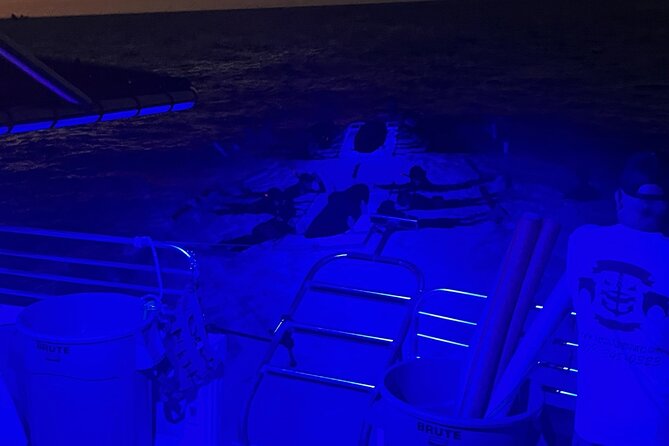
What’s included makes it easier to commit. You get snorkel gear (mask, fins, and floatation devices), plus a wet suit. There’s also a light snack and water on board. You’ll do the standard night-snorkel briefing and sign an in-water waiver before you enter.
Once you’re suited up, you’ll either:
- snorkel with the included gear using the ladder entry, or
- stay on board and watch from the deck while the crew manages spacing in the water.
Either option can work. Snorkeling gives you the full manta effect, where the rays can swim very close to you. Watching from board can still feel intimate if the lights bring mantas close enough overhead. If you’re not a confident swimmer, the floatation setup is designed to help you get into position safely and comfortably.
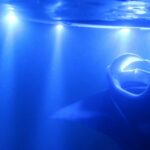
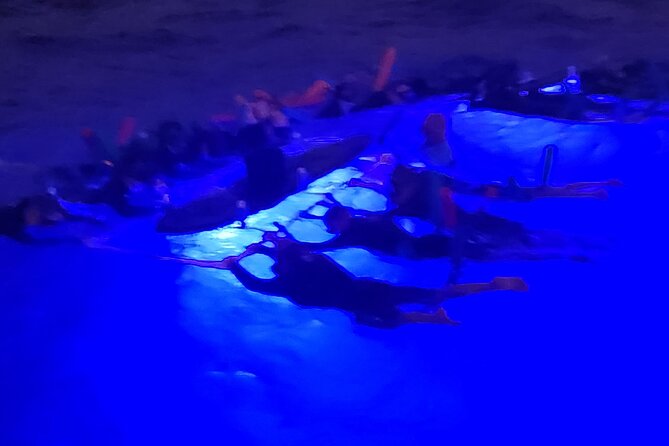
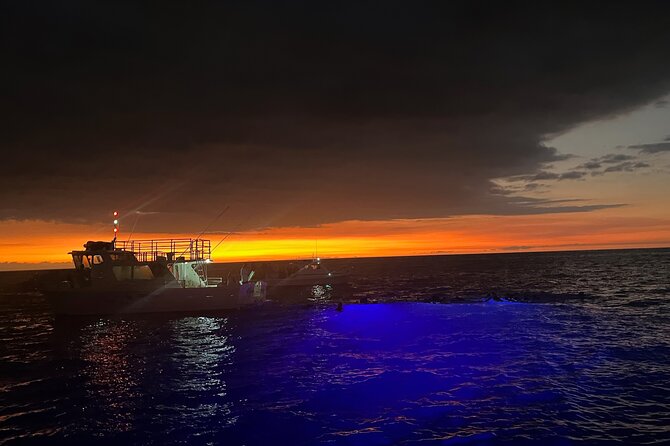
The lighting is the star of the show. The crew’s lighting system is designed to attract manta rays to the snorkel zone. In practical terms, it means mantas may feed closer to the surface where you can see them. Several accounts also point out that the manta rays seemed more focused on the lights under your boat than the lights from other boats in the area. That detail matters because it can change how long you get a real show versus quick passes.
The real rules you should follow
You’ll likely hear the same safety points again and again during the briefing. That can sound strict until you understand why it’s necessary:
- move calmly in the water and avoid flailing near the animals
- don’t kick or grab in a way that disrupts mantas
- follow the crew’s timing for when to enter and when to pause
This is one place where the crew’s strictness pays off. When everyone follows the same plan, you get a more stable manta “window” and fewer problems during entry and exit.
Warm rinse, snacks, and the small comforts that make the night feel easier
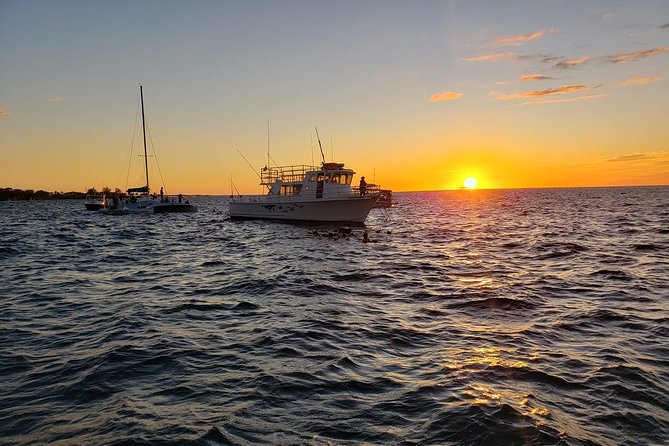
Night water temps can vary, but even when the ocean feels comfortable at first, you’ll feel the chill once you’re holding position. This is why the warm shower matters. You get a fresh water warm shower rinse right after snorkeling. It’s one of those touches that changes how you remember the trip. You can warm back up fast without waiting for a long drive and a home shower.
Food and drinks also help you feel human during and after. The tour includes a light snack and water, and multiple accounts mention treats like cookies and fruit such as pineapple. There are also beverages offered on board. I recommend eating something small before you arrive if you can. Night snorkeling is physical, and even a light snack can go further when you’re already fueled.
Also: bring a towel. You’ll get warm and dry off more quickly, and you’ll feel more comfortable at the end of the tour instead of shivering while you find a dry spot.
Price and value in Kona: when $125 makes sense
At $125 per person for about 3 hours 30 minutes, this isn’t the cheapest option in Kona. But manta night snorkeling isn’t a generic activity. You’re paying for a whole package:
- a purpose-built boat with bathroom facilities
- included wet suits and snorkeling gear
- a ladder designed for easier night entry
- lighting and crew coordination
- warm rinse, snacks, and beverages
Where the value feels strongest is when you get a consistent manta show. Many nights deliver multiple manta sightings, sometimes with rays staying in your area for a long stretch rather than a quick fly-by. If you want a one-and-done bucket-list experience, it’s easier to justify the cost when the manta time is substantial.
Where value can feel weak is when mantas don’t show up. That’s the big reality check for any wildlife night snorkel: you’re in their habitat, not a controlled environment. There have been a few disappointments when mantas didn’t appear at all, and that can make the same $125 feel steep. If you’re the kind of traveler who needs guaranteed entertainment, this is a risky purchase.
My advice: see the price as paying for your access, equipment, and safety system—not for a guaranteed manta count. If the mantas show, you’ll likely feel like you got your money’s worth fast.
Group size and the “snug boat” factor: how to plan for comfort
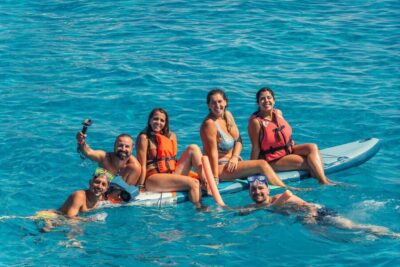
This tour caps at 24 travelers, and that’s typically a good size for keeping things organized during nighttime entry. Still, multiple accounts mention crowding as the main annoyance when the boat is full.
What I’d do before you go:
- wear a cover-up you don’t mind getting damp
- keep your change of clothes and towel in the cabin area if possible
- limit what you bring so you’re not managing bags in tight quarters
- be ready to stand and shift positions on a small boat at night
Also, ocean conditions can affect how comfortable the ride feels. Some people report rougher seas and colder exposure if they’re in the water longer than planned. The wetsuit helps, but if you’re very sensitive to cold, bring layers for after the snorkel and keep your towel handy.
If you’re prone to motion sickness, it may be worth packing anti-nausea meds and taking them before you depart, especially if Kona weather looks unsettled. The crew can only do so much when waves come up.
Who should book this Kona manta snorkel, and who should reconsider
This tour fits you best if:
- you want a true night wildlife experience, not a daytime stroll
- you’re okay with following safety rules closely
- you want the option to snorkel or stay mostly dry while watching
- you appreciate comfort details like warm rinse, snacks, and a functional boat setup
You might reconsider if:
- you get uncomfortable in close spaces and you know you’ll struggle on a full boat
- you need guaranteed sightings (manta rays are wild animals)
- you’re very sensitive to cold water or night entry steps
For families, the key is that children must be accompanied by an adult. One family story in the provided information also ran into an age requirement at check-in, so I’d treat that as a reminder to double-check your reservation details before the trip day.
Should you book the Manta Ray Night Snorkel in Kona?
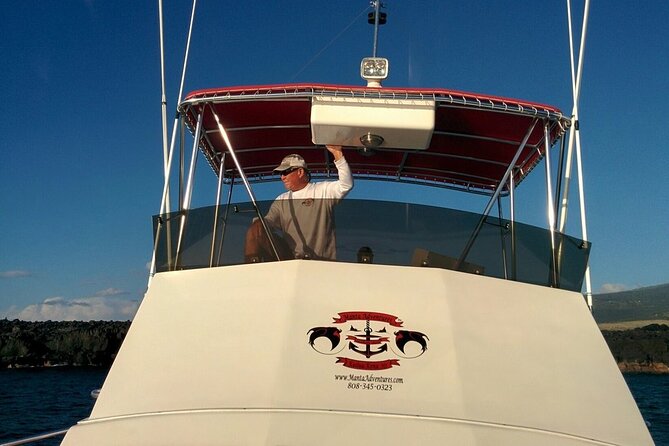
If you’re choosing one Kona ocean night experience, this one makes a lot of sense. The combo of included gear, wet suits, guided coordination, and the warm rinse after turns what could be an awkward night into a smoother, more comfortable outing. The boat design details—ladder entry, cabin space, bathroom access—are practical advantages, not marketing fluff.
Book it if you can handle the normal wildlife uncertainty and you’re willing to follow crew instructions closely. If you’re the type who will be crushed by a no-manta night, then you may want a Plan B activity on the same day.
One smart move: plan your Kona schedule so you have flexibility. Because when mantas do show, it feels magical, and when ocean conditions are rough or mantas don’t show, you’ll be happier if you can shift your plans rather than losing the whole window.
FAQ
What time does the Kona night snorkel start?
The tour starts at 4:00 pm and runs about 3 hours 30 minutes, depending on conditions.
What’s included in the tour price?
You get a light snack and water, snorkel gear (mask and fins), flotation devices, wet suits, and a fresh water warm shower rinse after snorkeling.
Can I stay dry instead of snorkeling?
Yes. You can snorkel with the included gear or stay on board if you prefer not to enter the water.
What should I bring?
Bring a towel and swimwear. You may also want a light jacket or sweater for after the snorkel, plus an underwater camera or GoPro if you have one.
Does the tour include bathroom facilities and an easy way back on board?
The boat includes a head (toilet) with a sink. It also uses a heavy-duty ladder with four submerged steps for easier night entry and exit.
What happens if bad weather cancels the tour?
If the tour is canceled due to poor weather, you’ll be offered an alternative date or a full refund. There is also free cancellation up to 24 hours in advance for a full refund.