REVIEW · BIG ISLAND OF HAWAII
Manta Ray Night Snorkel Experience of a Lifetime
Book on Viator →Operated by Snorkel Big Island · Bookable on Viator
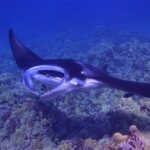
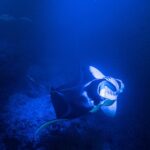
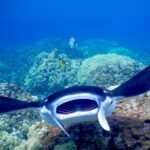
If you want magic with a safety briefing, this is it. A night snorkel for Big Island manta rays is the kind of wildlife encounter that feels unreal but is still run like a professional operation. You head out from Honokohau Harbor, slide into the dark water, and float close while the rays come in to feed on plankton.
I love that the tour packs in the stuff that usually eats your time and money: snorkel gear plus a shorty wetsuit. It also runs with USCG-licensed captains and American Red Cross–certified in-water guides, with crew names showing up again and again like Captain Kelly, Jay, Elijah, and Jonathan for keeping things calm, clear, and safe.
One thing to wrap your head around: you cannot guarantee manta sightings. This is a wild-animal night, and even when everything is right, some nights bring fewer rays or none at all.
In This Review
- Key Things I’d Prioritize Before You Go
- From Honokohau Harbor to Manta Heaven or Manta Village
- The Light Board Setup: How You End Up Close
- Safety and Comfort: What Gear Fixes, What You Must Bring
- The Wild-Animal Reality Check: Your Manta Policy
- Itinerary Feel: What Happens Before, During, and After
- Price and Value: Why $79.46 Feels Fair
- Who Should Book This Manta Ray Night Snorkel
- My Call: Should You Book This Tour?
- FAQ
- How long is the manta ray night snorkel?
- Where does the tour depart and return?
- What’s the price per person?
- What manta areas might the boat go to?
- Is snorkel gear and a wetsuit provided?
- Do I need prior snorkeling experience?
- Do I need to climb a ladder to get back on the boat?
- Is the tour guaranteed to have manta rays?
- What happens if I don’t see any manta rays?
- Is the tour language English-only?
Key Things I’d Prioritize Before You Go
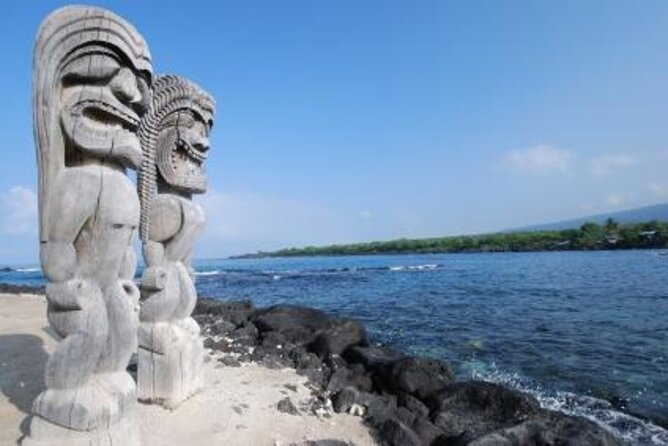
- Small max group size (18) means less crowding in the water and more room to watch
- USCG-licensed captains and Red Cross certified guides focus on safety and positioning
- Custom light board helps attract plankton, which brings the mantas up close
- Two manta sites to choose from on the same night: Garden Eel Cove or Keauhou
- Manta policy with retries helps you cope if nature takes the night off
From Honokohau Harbor to Manta Heaven or Manta Village
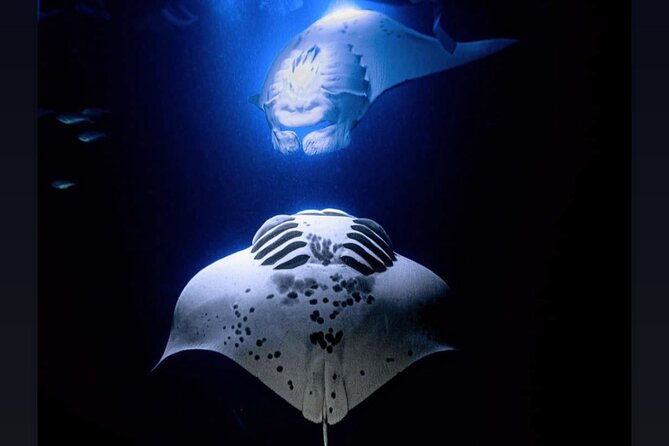
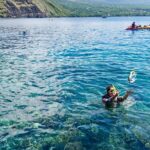
Most nights start at the Snorkel Big Island meeting point in Kailua-Kona, then you’re routed to the action from Honokohau Harbor. The boat ride is short—about 15 to 20 minutes—so you spend your time where it matters: in the water watching mantas do their slow-motion acrobatics.
On any given night, your crew aims for one of two manta areas:
- Garden Eel Cove for the northern site nickname Manta Heaven
- Keauhou for the southern site nickname Manta Village
That choice matters because manta activity can shift. You’re not just booking a snorkeling session—you’re booking a charter that tries to put you at the right “manta” address for that night.
What I like here is the rhythm of it. You don’t face a long, draggy open-ocean trip. Instead, you get brief instructions, get geared up, and then get to the dark-water float stage while the night sky and water conditions are still in sync with what the mantas are likely to do.
You can also read our reviews of more evening experiences in Big Island of Hawaii

The Light Board Setup: How You End Up Close
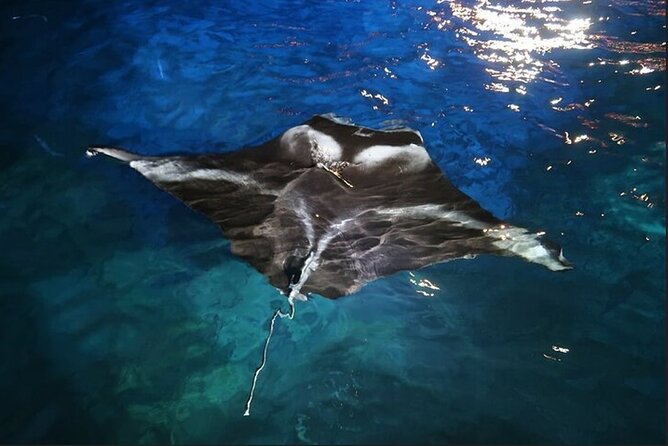
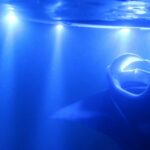
This tour’s whole secret sauce is what happens once you’re in the water. You’ll slide in and relax hanging onto a custom-made light board. That board is there for a reason: manta rays feed on tiny plankton, and the lights help concentrate what they’re looking for.
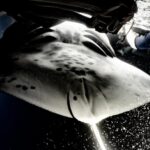
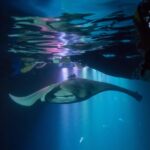
The best part is how the guides work with your group once everyone is in place. They’ll help you get into a good viewing position—basically making sure you’re not wasting your one good encounter by floating sideways at the wrong angle. When mantas are actively feeding, they can come surprisingly close, and the feeling is different from “watching from a distance.” It’s more like watching a giant glide through your personal space—gently, silently, with zero urgency.
A few review details you should take seriously as expectations:
- Many people describe multiple mantas, sometimes close enough to feel like they could bump you.
- Several people mention rays swimming right under or very near the board, which is when the experience really locks in.
- If you see just one manta, it’s still a thrill, but you’ll feel the “wild-animal randomness” more strongly.
The ride back is also part of the show. With the lights on the water behind you, it’s a good moment to look up at the stars and the coastline lights moving past the boat. It’s not a scripted photo moment—more like a quiet exhale after you’ve been focused on the dark water.
Safety and Comfort: What Gear Fixes, What You Must Bring
This isn’t a casual “just jump in” activity. The operation is built around safety and clear instructions, with guides in the water actively helping everyone.
Here’s what’s included:
- Snorkeling equipment
- Shorty wetsuit
- Certified in-water guide/lifeguard
And here’s what you must be able to do:
- Basic swimming skills are required
- You must be able to climb up a boat ladder independently
- You need to be able to converse in English so you can follow safety briefings
Comfort tip: bring the right kind of warm layer mindset. Even with the shorty wetsuit, people often report that the water can feel cold once you’re floating still. If you’re even a little sensitive, pack a sweatshirt or something warm for after you get back on the boat, and consider bringing a towel so you can warm up fast.
Towel is not listed as included, but it came up repeatedly in people’s practical advice. Also plan on seawater in your world. One person mentioned bringing a water bottle in case you swallow too much water through your snorkel—nothing dramatic, just a smart “why not” backup.
If you’re worried about flotation, ask in advance. The team says lifejackets are available if anyone in your group wants one, but you’ll need to contact the reservation line so it’s handled.
And yes, seasickness can happen. A few people pointed out feeling ill from both the boat ride and the floating phase. If you tend to get motion sick, bring your plan (meds if you use them) and don’t wait until you’re already nauseous.
The Wild-Animal Reality Check: Your Manta Policy
Here’s the honest part: mantas are wild animals. The company cannot guarantee sightings. Sometimes you’ll get a full-on manta night. Sometimes you’ll get fewer rays. Occasionally, you might see none.
What you can control is how you handle that uncertainty:
- If you don’t see a manta on your night out, you can try again on a different night or on your next visit.
- The “free return” depends on how you bought your ticket:
- If you purchased at the full online price, you may come back for free
- If you bought through a third party or at a discounted rate, the return option involves an additional $60 per person
- Ticket availability can get tight during certain times of year, so don’t assume you can just reschedule easily whenever you want.
One thing I appreciate is that the operator sets expectations upfront: the charter costs still run, and mantas can decide to take the night off. That policy doesn’t erase disappointment, but it does keep the experience fair and realistic.
Also keep in mind the “how long should we stay” question. Some people reported that they expected more water time but got pulled out when the mantas didn’t show up. If you’re the type who takes extra minutes in the water personally, set expectations now: the crew’s job is safety and timing, not letting anyone freeze in hopes that the mantas change their minds.
Itinerary Feel: What Happens Before, During, and After
Even though the tour is about 2 hours total, the pacing is pretty simple. Expect a quick sequence rather than a long, drawn-out program.
1) Check in and gear up
You’ll want to arrive early. Check-in can be up to 40 minutes prior to tour time, but no less than 15 minutes prior. Confirm the check-in time directly with the provider so you’re not guessing in the dark.
2) Boat ride to the manta site
You’re on the water for 15–20 minutes before you reach the target area. This is when you’ll hear key instructions, and it’s also a good time to get situated.
3) In-water time
Plan on roughly 30 minutes in the water. A few people described the time frame like a standard window rather than an open-ended soak.
4) Float on the light board
Guides help you get positioned so you can spot movement fast. This is where the close encounters happen when mantas are actively feeding.
5) Ride back
You’ll get back toward the marina and end back at the meeting point. People love this part because it’s calmer and you can finally look up without your eyes glued to the water.
A practical note: finding your crew in a dark setting can be tricky. One review mentioned difficulty locating staff and that having lights or an umbrella would make it easier. I’d rather you show up with a small flashlight or phone light than waste energy searching in the parking darkness.
Price and Value: Why $79.46 Feels Fair
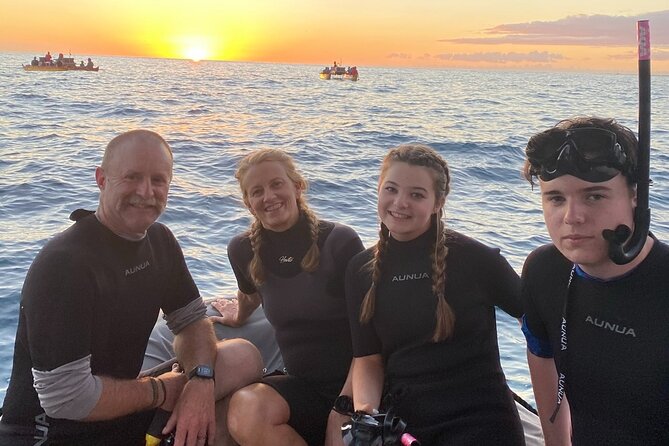
At $79.46 per person for about two hours, the key value is not the manta guarantee—it’s what’s bundled with the charter.
What you get for the price:
- Snorkel equipment
- Shorty wetsuit
- USCG-licensed captain
- Certified in-water guide/lifeguard
- A small-group experience (maximum 18)
What’s not included:
- Private transportation
- A prescription snorkel mask
So if you’re driving yourself or already staying near Kailua-Kona, this price can feel like a good deal because the logistics are handled. You’re paying for the boat, the trained crew, and the setup that brings you close to feeding mantas.
If you’re the kind of snorkeler who has your own mask and gear, the value comes down to whether you want to pack and manage it. I like that you don’t need to bring wetsuit or basic snorkeling hardware here. You show up, suit up, and focus on the main event.
Who Should Book This Manta Ray Night Snorkel
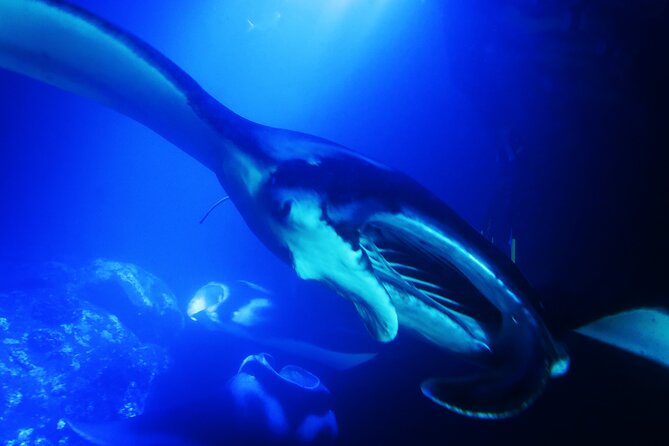
This is best for people who want a wild-animal encounter and can handle the conditions.
You’ll be happy if:
- You can swim and feel comfortable in open water at night
- You’re okay with a shorty wetsuit and cool water conditions
- You can climb the boat ladder on your own
- You speak English well enough to follow safety directions
You’ll likely struggle if:
- You have physical or mobility restrictions (it’s not recommended)
- You’re very uncomfortable with cold water or with being in the ocean at night
- You get severely motion sick without a plan
This is also a solid family outing when kids are old enough to handle the water and instructions. People described taking children in the 10–13 range and feeling comfortable once everyone was suited up and guided.
One more “fit” detail: if you prefer a quieter, less crowded vibe, the max of 18 can help. Several people praised the smaller group feel versus big crowded setups.
My Call: Should You Book This Tour?
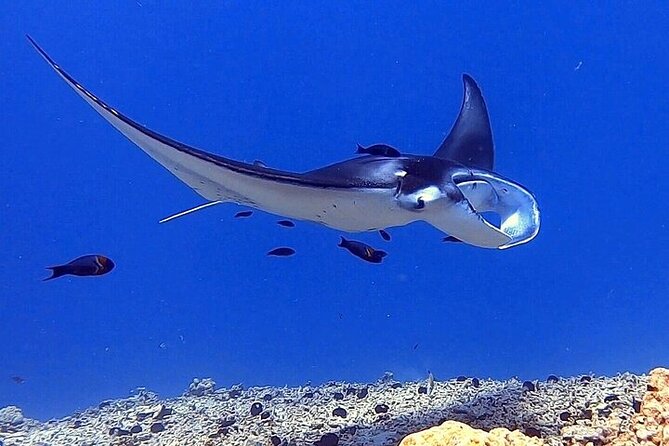
I’d book it if you want the best shot at close-up manta rays and you’re comfortable with the wild-animal part. The price makes sense because you’re not paying extra for gear or guide staffing—the safety and equipment are built in.
I’d think twice if you’re the type who needs certainty. No operator can promise mantas. If you go, go with the mindset that you’re chasing a chance at something rare, not buying a ticket to an aquarium.
If you do book, do these three things:
- Plan for cold and bring a warm layer for after the water
- Bring a towel and wear layers you can change out of fast
- Confirm your check-in time directly so you’re not scrambling at night
If all that sounds like your vacation style, this is the kind of Big Island night you’ll talk about long after you’re back on dry land.
FAQ
How long is the manta ray night snorkel?
The tour runs about 2 hours (approx.).
Where does the tour depart and return?
It departs from Honokohau Harbor (15–20 minute boat ride to the manta area) and ends back at the meeting point.
What’s the price per person?
The price is $79.46 per person.
What manta areas might the boat go to?
Your group may go to Garden Eel Cove (northern site, Manta Heaven) or Keauhou (southern site, Manta Village).
Is snorkel gear and a wetsuit provided?
Yes. You get snorkeling equipment and a shorty wetsuit.
Do I need prior snorkeling experience?
Yes, previous snorkeling experience is required, and basic swimming skills are needed.
Do I need to climb a ladder to get back on the boat?
Yes. Guests must be able to independently climb up a boat ladder.
Is the tour guaranteed to have manta rays?
No. Manta rays are wild animals, and sightings can’t be guaranteed.
What happens if I don’t see any manta rays?
The policy allows you to try again on a different night or on your next visit. Whether it’s free depends on how you purchased your ticket.
Is the tour language English-only?
Yes. You must be able to converse in English to understand instructions and safety briefings.