REVIEW · BIG ISLAND OF HAWAII
Manta Ray Night Snorkel from Kona — Small Group
Book on Viator →Operated by C Big Island Tours · Bookable on Viator
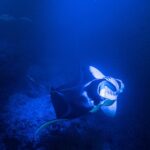
Manta rays at night feel unreal. This Kona snorkel tour takes you from sunset into moonlight to watch huge, gentle, plankton-feeding manta rays loop around you under underwater lights. I especially like the small-group size and the fact you get guaranteed manta ray sightings (or a free second outing). One thing to plan for: you will get cold on the ride back, and the tour does not include a towel or warm layer.
The tour runs about 2 hours and keeps the pacing relaxed. You’ll get a wetsuit, snorkel setup, flotation help, and light snacks, so you’re not juggling gear or long waits. Still, be honest about conditions—night water can feel chilly and motion can be rough for some people.
Meet at 74 Kealakehe Pkwy in Kailua-Kona, then head to Honokohau Harbor. The exact launch spot gets shared about 24 hours before departure, and you should arrive at least 15 minutes early so you’re not rushed into the safety briefing and gear fitting.
In This Review
- Key highlights worth caring about
- Why Kona manta rays feel different at night
- Honokohau Harbor and the small-boat feel
- What you’ll see once you’re geared up in the water
- Garden Eel Cove / Manta Heaven: more than one look
- Gear and comfort: what’s provided, what you must bring
- Small-group attention and real-world safety
- Price and value: is $123 fair for a Kona manta night?
- Who should book this manta ray snorkel
- Should you book this manta ray night snorkel from Kona?
- FAQ
- How long is the manta ray night snorkel tour?
- Where do I meet for the tour in Kona?
- What’s included in the ticket price?
- What should I bring with me?
- Is manta ray viewing guaranteed?
- What are the weight restrictions?
- Are children allowed?
- Can pregnant women join the tour?
- Can I cancel for free, and what’s the weather requirement?
Key highlights worth caring about
- Guaranteed sightings or free return if mantas don’t show up
- Small group maximum of 16 for more water time and calmer attention
- Wetsuit plus snorkel gear and flotation included, so you can focus on seeing mantas
- Sunset-to-moonlight timing to bring mantas in with the help of underwater lights
- Garden Eel Cove / Manta Heaven stop(s) designed around where manta feeding happens best
- You might meet crew by name like Captain Chris (Captain Kris), Ryan, Tori, Mark, Leio, and Gary on different nights
Why Kona manta rays feel different at night
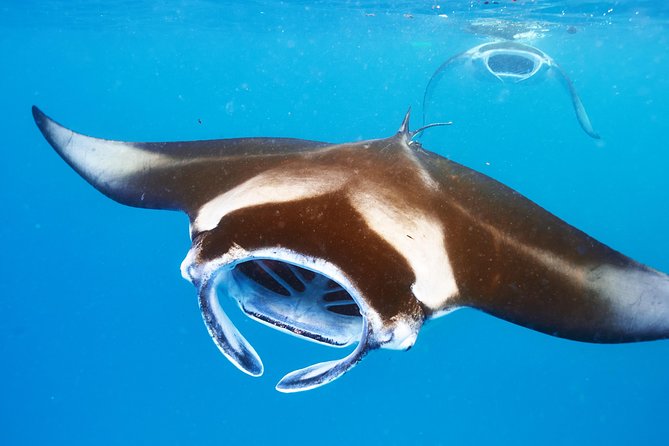
If you’ve seen manta rays in photos, you may think you know what to expect. Night changes the whole vibe. Here, the mantas come in to feed on plankton, and the ocean lighting creates a target zone that helps you watch them close and in motion instead of spotting them from far away.
The tour is built around a simple idea: mantas are docile, but you still need to time and position the experience well. That’s why this runs from sunset into moonlight. As the water darkens, the plankton action under the lights becomes the main event—and your job is just to stay calm, float, and look down when the guide tells you it’s time.
You also get the best kind of spectacle: not a jump-scare, not a show you’re forced to follow, but a slow, graceful loop-and-return pattern right under the surface. Several nights include the kind of close passes that feel almost close enough to touch (without touching, of course).
You can also read our reviews of more evening experiences in Big Island of Hawaii
Honokohau Harbor and the small-boat feel
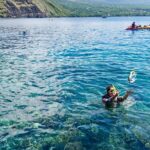
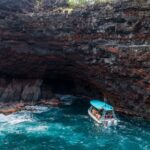
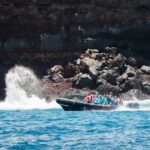
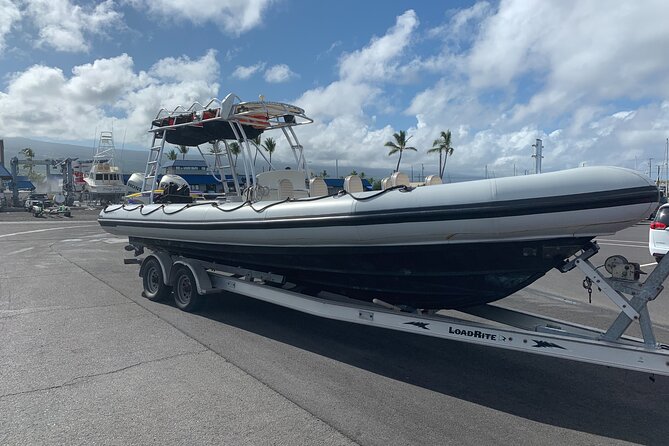
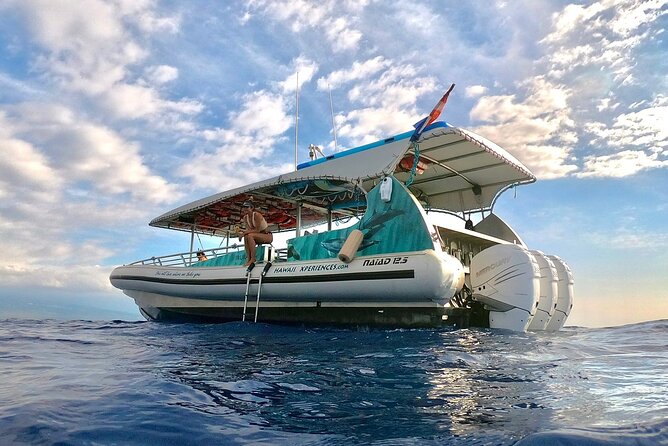
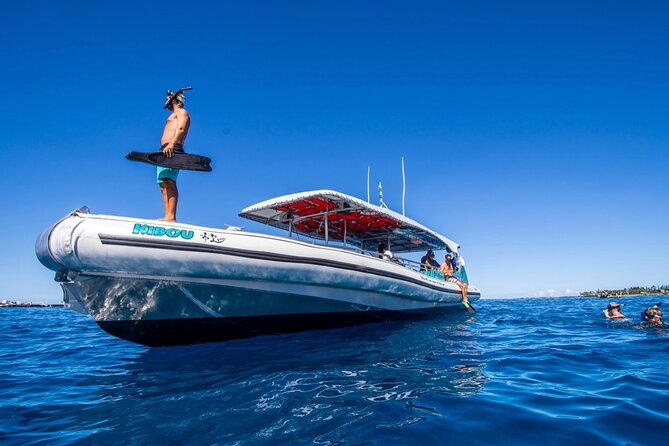
This is not one of those huge-departure operations. You start at Honokohau Marina & Small Boat Harbor, then head out by small watercraft to the feeding zone. Reviews and the trip rhythm point to a fast, efficient ride, with crew staying hands-on with gear and comfort so you get into the water sooner rather than later.
Because the group is capped at 16, you’re more likely to get clearer coaching. That matters at night. Snorkeling in the dark is less about bravery and more about technique: how to breathe smoothly, how to keep your fins under control, and how to follow the guide’s cues without panicking.
Arrive early at the meet spot (74 Kealakehe Pkwy) because the operator will send your exact departure location instructions about 24 hours before. When you get there, you’ll start with a safety briefing, then dress in the provided wetsuit and put on your snorkel gear. If you want the calmest experience, don’t show up right at the deadline. Give yourself time to get fitted, ask questions, and settle in.
What you’ll see once you’re geared up in the water
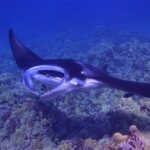
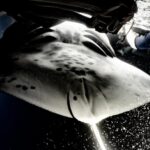
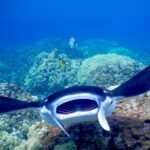
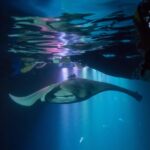
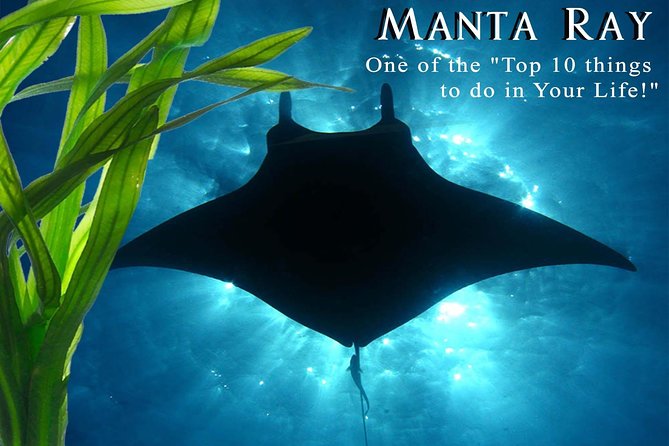
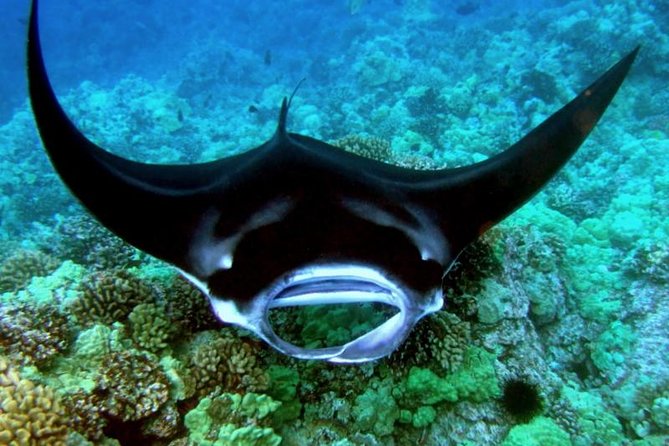
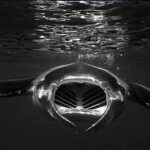
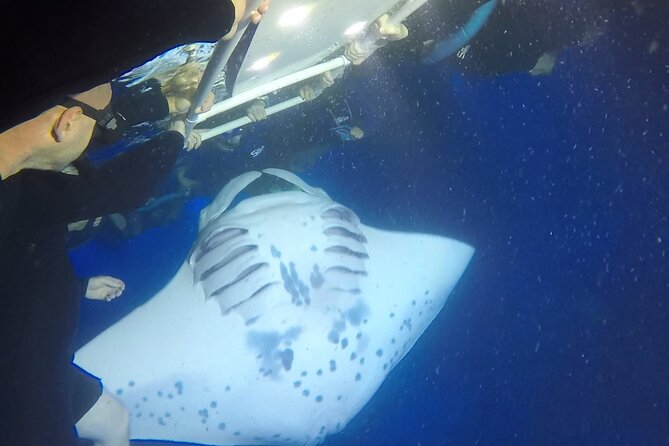
Here’s the core experience: you follow your guide into the water and look for manta rays feeding in the lit area. These are enormous animals. The tour describes wingspans reaching about 20 feet (6 meters), and that scale is exactly why the experience feels so special—your body size suddenly feels small in the ocean.
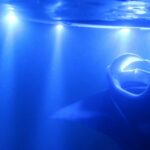
What makes it work is the feeding behavior. Mantas are described as vegetarian in this context, and they’re coming in for plankton. Underwater lights attract plankton, which attracts mantas, which then swim loops around you.
The guide’s job is to help you stay in the right spot and keep your breathing steady. You can expect extra attention for people who are less comfortable in the water, and multiple crew names come up in past trips—Captain Chris (Captain Kris), Ryan, Tori, Mark, Leio, and Gary. Even when conditions shift, the goal stays the same: keep the experience safe, slow, and focused on viewing.
Two practical tips that help you enjoy it more:
- Keep your eyes trained where the light zone is. Manta spotting often happens when you stop scanning and let the guides’ directions guide your gaze.
- Don’t fight the current or try to chase. The mantas move in their own loops; you just float and let them pass.
Garden Eel Cove / Manta Heaven: more than one look
Your trip includes time at Garden Eel Cove / Manta Heaven more than once. That’s a smart setup because manta movement isn’t a metronome. Some nights they show up early and stay active; other nights they arrive later or shift their feeding pattern.
What this means for you: the tour is designed to give you multiple chances to catch the feeding action. Instead of doing a quick in-and-out, you’re likely to spend a meaningful block of time in the water while the crew watches conditions and mantas’ behavior.
There’s also a bonus feeling to this kind of repeat stop: you’re not just waiting for one moment. If mantas pass by and the action slows, you’re not automatically “done.” You may get another period of viewing when mantas come back into the light zone again.
One small downside: if you’re someone who easily gets cold or uncomfortable at night, you’ll want to treat your warm-layer plan seriously. You’ll be in the water wearing a wetsuit, but the return ride can still feel chilly.
Gear and comfort: what’s provided, what you must bring
This tour handles a lot of the heavy lifting for you. Included are snorkel gear, flotation devices, and wet suits—plus light snacks and drinks like island juices, soda, and bottled water.
Not included: a towel and warm clothes like a sweater or windbreaker.
That matters more than you’d think because after snorkeling, you’ll be changing back into dry clothes and taking a boat ride back. If you show up in a swimsuit and ignore warmth, you may still have a great manta experience but feel uncomfortable afterward.
What I’d pack based on the tour details:
- A towel for after the water portion
- Warm clothes you can put on right away for the ride back (a simple windbreaker or sweater works)
- Your swimsuit (the tour asks you to wear it)
- If you use electronic cameras, plan for how you’ll keep them secured. One guide has offered help positioning a GoPro under the platform for different angles, which tells me the crew pays attention to safe handling and viewing angles.
Small-group attention and real-world safety
Let’s talk about safety in a practical way. This is a night snorkel with wetsuits and flotation, led by an instructor and captains who keep control of what’s happening on the boat and in the water.
You’ll hear a safety briefing before you go in. And because the group is small, there’s less confusion and less waiting while people troubleshoot their gear. Crew members have been described as attentive during seasickness situations, and also during moments of panic. The repeated theme is calm coaching—help people settle, keep them safe, and maintain the schedule without chaos.
You should also understand who this tour is for and who it isn’t. The tour has clear limits:
- Weight restriction: 265 lbs
- Pregnant women are NOT permitted
- No children under 5 years old
- Maximum of 16 travelers
One major consideration isn’t about fear—it’s about physical ability to get into and out of the water and onto the boat. If you’re on the edge physically, I’d treat the weight and movement restrictions seriously, because safety has to come first.
Also, night water means you’ll likely feel the temperature more than you expect. A wetsuit helps, but it doesn’t make you heat-proof. Warm clothes for after are not optional if you want to feel comfortable for the whole outing.
Price and value: is $123 fair for a Kona manta night?
At $123 per person for about 2 hours, this isn’t a bargain-basement activity. You’re paying for three things that are hard to fake:
- Timing and location that improve your odds of manta feeding
- Guiding and safety control in low-light water
- Close viewing time that you don’t get with big, rushed tours
The biggest value lever here is the guaranteed manta ray sightings or free return. That turns the biggest risk—spending money and seeing nothing—into something you can plan around. If you’re booking during a busy Kona week and you want the best odds, that guarantee is meaningful.
The tour also includes the stuff that costs time and money if you rent it elsewhere: wetsuit, snorkel gear, flotation help, and light snacks/drinks. The only “missing” items are towel and warm layers, which are cheap and easy to bring.
Is it worth it? For me, yes—if you want an experience that’s built for actual viewing time in the water at night, with a small group and a crew focused on safety and manta behavior rather than a quick checklist.
Who should book this manta ray snorkel
This tour fits best if you:
- Want up-close manta ray viewing in a controlled setting
- Prefer a smaller group and more direct attention
- Are comfortable snorkeling with a wetsuit and following a guide’s directions
It may be a tough fit if you:
- Are pregnant (not permitted)
- Have kids under 5 (not permitted)
- Are over 265 lbs (weight restriction)
- Know you struggle with night water conditions and can’t tolerate cold or motion (the tour is safe, but physics and body comfort still matter)
One more note: sunset-to-moonlight timing is part of the magic, but it’s also part of the challenge. You’re in the dark water portion. If you’re the type who freezes when visibility drops, ask yourself if you’ve handled similar low-light snorkeling before.
Should you book this manta ray night snorkel from Kona?
If you want one signature ocean experience on the Big Island, this is a strong candidate. The combination of small-group operation, wetsuit and gear included, snacks and drinks, and the real safety structure makes the whole thing feel more doable. Then there’s the manta part: seeing huge, gentle animals feeding under lights is the kind of memory that sticks.
Book it if:
- You can meet the weight and age rules
- You’ll bring a towel and warm layer for after
- You want to maximize odds with the guaranteed sighting or free return option
Skip it or think twice if:
- You need accessibility support beyond what’s described by the tour’s safety and entry requirements
- Cold and boat motion are a deal-breaker for you
- You fall into the categories the tour excludes (pregnancy, children under 5)
If those checks work for you, I’d say this is one of the most efficient ways to experience Kona’s manta world—close, controlled, and timed so the animals show up when you’re there.
FAQ
How long is the manta ray night snorkel tour?
It’s about 2 hours.
Where do I meet for the tour in Kona?
You’ll start at 74 Kealakehe Pkwy, Kailua-Kona, HI 96740. Then you’ll make your way to Honokohau Harbor, and the exact location is sent about 24 hours before departure.
What’s included in the ticket price?
Snacks and drinks (island juices, soda, bottled water, and light snacks), snorkel gear, flotation devices, and wetsuits.
What should I bring with me?
Bring a towel, wear a swimsuit, and pack warm clothes for after snorkeling because it can get chilly on the return ride.
Is manta ray viewing guaranteed?
Yes. The tour offers guaranteed manta ray sightings or a complimentary second outing if you don’t see manta rays during your trip.
What are the weight restrictions?
The weight restriction is 265 lbs.
Are children allowed?
No children under 5 years old.
Can pregnant women join the tour?
No. Pregnant women are not permitted on this tour.
Can I cancel for free, and what’s the weather requirement?
You can cancel for free up to 24 hours in advance for a full refund. The tour requires good weather; if it’s canceled due to poor weather, you’ll be offered a different date or a full refund.